

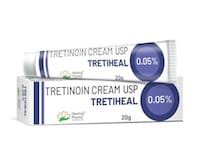
Buy Tretinoin Cream Online at the Best Price
Mastering the Application Ritual
Think of your skin as a delicate garden that needs a very specific climate to thrive. You wouldn’t throw a bucket of water on a desert cactus, right? Applying tretinoin is much the same. It is a potent, finicky beast that demands respect, patience, and a disciplined nightly routine to avoid a total meltdown.
Most beginners make the mistake of diving into the deep end without a life jacket. They apply a massive dollop, hoping for overnight miracles, only to wake up looking like a sunburned lobster. Instead, you must treat this cream like a concentrated serum that requires a less is more philosophy to ensure success.
The golden rule is the “pea-sized amount.” That is not a suggestion; it is a commandment. Using more won’t speed up the magic; it will only invite irritation and peeling. Spread that tiny dot across your forehead, nose, and chin, avoiding the sensitive real estate around your eyes and mouth.
Timing is everything when you are playing with fire. Always wait until your face is bone-dry after cleansing. If you apply it to damp skin, the product sinks in too deep, too fast. This creates a direct highway for irritation to travel straight into your dermis, causing unnecessary redness.
The Sandwich Method Strategy
If your skin feels like it is turning into parchment paper, you might need to employ the “sandwich method.” It sounds silly, but it is a total game-changer for those with sensitive complexions. You essentially create a protective buffer between your skin and the active ingredient.
First, apply a thin layer of a gentle, fragrance-free moisturizer. Wait a few minutes for it to sink in completely. Then, apply your pea-sized amount of tretinoin. Finally, seal everything in with a second, slightly thicker layer of moisturizer to lock in hydration and prevent trans-epidermal water loss.
This technique acts as a shock absorber for your skin cells. It slows down the penetration rate just enough to minimize the dreaded “retinoid purge.” You aren’t diluting the efficacy; you are simply smoothing out the ride so your skin can adapt to the new stimulus.
Think of it as training a marathon runner. You wouldn’t ask them to sprint twenty miles on day one. By buffering the cream, you are teaching your skin to tolerate the strength of the medication without throwing a tantrum. It is a marathon, not a sprint, so pace yourself accordingly.
The Nightly Protocol Checklist
Consistency is the secret sauce that turns a mediocre routine into a glowing masterpiece. You cannot skip nights just because you feel a little dry one evening. However, you also shouldn’t push through intense stinging. Listen to your skin’s subtle whispers before they turn into loud screams.
To keep things organized, follow this structural framework for your evening skincare ritual. It ensures you hit all the necessary marks for both treatment and protection:
- Cleanse: Use a mild, non-stripping cleanser to remove the day’s grime.
- Dry: Pat dry with a clean towel and wait five full minutes.
- Treat: Apply the pea-sized amount of tretinoin to the affected areas.
- Moisturize: Apply a ceramide-rich cream to support your skin barrier.
Managing your budget is also a part of the ritual. While generic prescriptions can cost around $15, high-end boutique brands might jump to $80 or more. Always check your insurance coverage before splurging on luxury packaging that offers the same active ingredient as a budget option.
| Application Step | Ideal Timing | Estimated Cost |
| Standard Prescription | Nightly | $15 – $40 |
| Premium Dermatological Brand | Nightly | $65 – $110 |
| Moisturizer Buffer | Nightly | $12 – $35 |
Navigating the Cost of Clear Skin
Chasing the perfect complexion often feels like trying to catch lightning in a bottle. It is an expensive pursuit that can quickly drain your bank account if you aren’t careful. Many people assume that a high price tag automatically guarantees better results, but the skincare market is a master of illusion.
You might find yourself staring at a shelf full of flashy, scented bottles that promise the moon. Most of those luxury price hikes go toward the glass jar and the fancy fragrance. The actual active ingredient, the stuff that does the heavy lifting, is often identical to the much cheaper version.
It is vital to distinguish between “prestige” skincare and “clinical” efficacy. You are paying for a solution to a problem, not a decorative item for your vanity. Smart shoppers know that the goal is to get the most bang for their buck without compromising the quality of the medicine.
Navigating the pharmacy aisle can feel like walking through a minefield of marketing jargon. You have to keep your wits about you to avoid falling for the hype. Understanding how different formats and brands impact your monthly budget is the first step toward sustainable skin health.
Comparing Your Financial Options
When you sit down to look at your options, you will likely see a massive spectrum of pricing. Some people swear by the boutique brands found in high-end department stores. Others find success using the straightforward, no-frills options available at a local pharmacy.
The reality is that your choice often depends on your specific skin sensitivity and your wallet. If you have a sensitive stomach for high costs, generics are your best friend. However, some people find that the specific vehicles used in premium creams are easier on their skin.
Below is a quick breakdown to help you visualize how different ways of obtaining your tretinoin might impact your wallet. Keep in mind that these are general estimates to guide your planning.
| Option Type | Typical Quantity | Estimated Price |
|---|---|---|
| Generic Prescription | 0.05% Cream (30g) | $15 – $30 |
| Brand Name Tube | 0.05% Cream (28g) | $70 – $100 |
| Online Subscription | 3-Month Supply | $45 – $65 |
| Compounded Formula | Customized Strength | $50 – $90 |
The Hidden Costs of Irritation
It isn’t just the cream itself that costs money; it is the “damage control” kit. If you jump into a high-strength regimen without preparation, you might end up spending a fortune on soothing balms and heavy-duty reparative creams. This is essentially a “tax” on impatience.
Think of it as an investment in your skin’s resilience. If you spend an extra $30 on a high-quality, ceramide-heavy moisturizer now, you might save $100 in dermatological visits later. It is much easier to prevent a flare-up than it is to heal a broken skin barrier.
Always factor in the cost of sunscreen as well. Using tretinoin without daily SPF is like driving a car without brakes; it is a recipe for disaster. You will likely face increased sun sensitivity, which means a high-quality, non-comedogenic sunblock is a non-negotiable part of your budget.
Don’t let the fear of cost keep you from seeking professional advice. Sometimes, a single consultation can save you months of trial and error with the wrong products. A professional can tell you exactly what you need, preventing you from throwing money down the drain on ineffective “miracle” creams.
Selecting the Right Formula for Your Face
Picking a tretinoin vehicle is a bit like choosing a pair of running shoes. You might find a pair that looks sleek and stylish, but if they lack the proper support, you’ll end up with blisters. In the world of skincare, the “vehicle” is the base that carries the active medicine into your pores.
Some people find that a heavy cream feels like a thick blanket on their face, which is great for dry skin. Others, particularly those with oily complexions, find that a cream leaves them feeling like a grease trap. If you choose the wrong texture, you might find yourself fighting breakouts instead of curing them.
It is a delicate dance between efficacy and tolerance. You want the medicine to work its magic, but you don’t want your face to feel like it has been peeled with sandpaper. Finding that “Goldilocks” zone requires a bit of patience and a willingness to listen to your skin’s subtle cues.
Don’t feel pressured to jump straight into the deep end with the strongest concentration. Starting with a heavy-duty formula can be like trying to run a marathon without any training. Most experts suggest starting slow and building up your skin’s tolerance to avoid the dreaded “retinoid purge.”
The Texture Spectrum: Cream vs. Gel vs. Lotion
If your skin is as dry as a desert, a cream-based formula will likely be your best friend. These are often rich and emollient, designed to sit on the surface and lock in moisture while the tretinoin works its way down. It’s like applying a soothing balm that works overtime while you sleep.
On the flip side, if you struggle with excessive oil or clogged pores, a gel might be your saving grace. Gels are lightweight and absorb almost instantly, leaving no heavy residue behind. However, be warned: gels can sometimes feel a bit “tight” or drying if you don’t pair them with a good moisturizer.
Then there is the lotion, which sits somewhere in the middle of the road. It offers a lighter feel than a cream but more substance than a gel. Many people find this to be the “sweet spot” for daily use, especially during the changing seasons when your skin’s needs might shift slightly.
Ultimately, your skin type should be the compass that guides your decision. There is no one-size-fits-all answer in dermatology. What works wonders for your best friend might leave your skin red and peeling, so always approach new textures with a healthy dose of caution.
Understanding Concentrations and Strengths
When you look at the labels, you will see numbers like 0.025%, 0.05%, and 0.1%. These aren’t just random digits; they represent the potency of the medication. Think of it as the “volume knob” for your skin’s cellular turnover. Turning it up too fast can cause a lot of noise.
Most beginners start at the lowest concentration, typically 0.025%. It might feel like you aren’t seeing much happening at first, but you are actually laying the groundwork. You are teaching your skin how to handle the stimulation without throwing a full-blown tantrum of redness and irritation.
As your skin adapts, you might move up to 0.05% or even 0.1%. This is where the real magic often happens for those looking to tackle stubborn fine lines or deep acne. However, jumping levels too quickly is a common mistake that often leads to a broken skin barrier and significant discomfort.
If you find yourself constantly dealing with flaking or stinging, you might need to scale back. It is better to use a lower strength consistently than to use a high strength sporadically. Consistency is the name of the game when it comes to long-term skin transformation.
| Formula Type | Best For | Feel/Texture |
| Cream | Dry/Sensitive Skin | Rich and heavy |
| Gel | Oily/Acne-Prone Skin | Light and fast-absorbing |
| Lotion | Combination Skin | Balanced and smooth |