

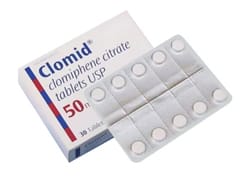
Buy Clomid Online: Best Prices and Fast Shipping Today
Common Uses and Medical Indications
Think of your endocrine system as a finely tuned orchestra. Sometimes, the conductor loses the beat, leaving the ovaries waiting for a signal that never arrives. Clomid, or clomiphene citrate, steps onto the podium to restart the rhythm by tricking the brain into thinking it is starving for hormones.
When you swallow this medication, it binds to estrogen receptors in the hypothalamus and pituitary gland. This effectively “blinds” the body to the estrogen already circulating in your bloodstream. It is a clever little ruse that fools the brain into believing estrogen levels are dangerously low.
In response to this perceived deficiency, the pituitary gland kicks into high gear. It starts pumping out more follicle-stimulating hormone (FSH) and luteinizing hormone (LH). These chemical messengers travel through the bloodstream to the ovaries, nudging them to release a mature egg into the fallopian tubes.
This process, known as ovulation induction, is the cornerstone of many fertility journeys. By stimulating the ovaries through this feedback loop, the medication helps women who struggle with irregular or absent ovulation to finally prepare a healthy egg for potential conception.
Navigating PCOS and Hormonal Imbalances
Polycystic Ovary Syndrome (PCOS) often feels like a stubborn knot that refuses to untie. Women with this condition frequently deal with insulin resistance and high androgen levels, which can make regular ovulation feel like a distant dream. It is a frustrating uphill battle for many couples.
Clomid acts as a key to unlock these hormonal stalemates. By driving up FSH production, it helps overcome the high estrogen environment that often prevents follicles from maturing. It is often the first line of defense when doctors see irregular cycles during a fertility workup.
While not every woman will find success on the first try, it remains a standard option. It is a relatively straightforward approach compared to more invasive options. Many clinics prescribe it as the initial step before moving toward more complex, expensive medical interventions.
Success rates can vary wildly depending on the individual’s unique hormonal profile. Some women find success within the first two cycles, while others may require multiple rounds. It is a game of patience, much like waiting for the tide to turn in the middle of the ocean.
The Off-Label Frontier in Men’s Health
While most people associate fertility drugs with women, the medical community often uses Clomid in unexpected ways. In the realm of men’s health, it is frequently used “off-label” to boost testosterone. This means it is used for a purpose other than its original, FDA-approved indication.
For men struggling with low testosterone, the issue often lies in the signaling department. If the brain isn’t sending the right signals, the testes won’t produce enough hormones. Clomid interrupts the negative feedback loop, forcing the pituitary to signal for more testosterone production through increased LH and FSH.
This approach is often preferred by those wanting to maintain their natural ability to produce sperm. Unlike direct testosterone replacement therapy, which can shut down natural production, Clomid attempts to jumpstart the body’s own internal manufacturing plant. It is a subtle, indirect way to balance the scales.
However, this is not a magic pill for everyone. It requires careful monitoring by a specialist to ensure that hormone levels don’t swing too wildly. It is a delicate balancing act, much like walking a tightrope in a high wind without a safety net.
Distinguishing Clomid from Other Fertility Agents
Not all fertility medications are created equal, and choosing the right tool for the job is vital. Clomid is often compared to Letrozole, which is a different beast entirely. While Clomid blocks estrogen receptors, Letrozole works by actually lowering estrogen production through a different pathway.
The distinction is critical because each medication interacts with the body’s internal chemistry in a unique way. Some women find that Letrozole works better for their specific hormonal makeup, especially if they have high levels of certain androgens. It is a matter of finding the right key for the lock.
You might also hear about gonadotropins, which are much more powerful and expensive. These are typically injections rather than pills and are used when oral medications fail to trigger ovulation. They are the heavy hitters of the fertility world, often used in IVF cycles.
To help visualize the landscape, consider this comparison of common options:
| Medication Type | Primary Mechanism | Common Use |
| Clomid | Estrogen Receptor Blocker | Ovulation Induction (Oral) |
| Letrozole | Aromatase Inhibitor | PCOS / Ovulation Induction |
| Gonadotropins | Direct Hormone Replacement | Advanced Fertility / IVF |
The cost of these treatments can vary significantly depending on the pharmacy and the country. For example, a single month’s supply of Clomid might cost around $40, whereas advanced injectable protocols can easily climb above $500 per cycle. Always consult a professional regarding specific pricing and availability.
Standard Dosage Protocols and Administration
Timing and Female Protocols
For women seeking to induce ovulation, timing is everything. It is not a “take it whenever” situation; rather, it is a choreographed dance with the menstrual cycle. Most doctors prescribe the medication to be started on the second, third, or fifth day of the menstrual cycle. This ensures the medication hits the bloodstream exactly when the body is prepping for a new cycle.
Typical oral dosages for women often fall within the range of 25mg to 150mg daily. Many clinics prefer a “low and slow” approach, starting with a modest dose to see how the ovaries respond. It is a cautious strategy, much like testing the waters before diving into a deep swimming pool to avoid any unexpected shocks to the system.
The duration of the cycle is also strictly defined. Most patients take the pills for five consecutive days. Taking them for longer than this without medical oversight can lead to complications. It is a precise window that requires discipline, as missing a dose or taking it late can throw the entire cycle out of sync.
Individual responses vary significantly from person to person. While some women find success with a mere 50mg, others might require the full 150mg to trigger a healthy follicle. This variability is why regular ultrasound monitoring is often scheduled. Doctors need to see if the medication is doing its job or if it is causing too much growth.
Hormonal Support in Men
When used for male hormone support, the protocol shifts focus entirely. Instead of inducing ovulation, the goal is to trick the brain into thinking it needs more testosterone. By blocking estrogen feedback, Clomid stimulates the production of Luteinizing Hormone (LH) and Follicle-Stimulating Hormone (FSH). This effectively kickstarts the natural production factory within the testes.
Dosage for men is typically much lower than what is used in fertility induction for women. Common regimens often involve 25mg to 50mg daily. Because the goal is subtle hormonal modulation rather than a massive spike, the dosage must be carefully calibrated. It is less about a sledgehammer and more about a gentle nudge to the endocrine system.
Some men might find that a daily dose works better, while others might only require it every other day. This customization is crucial to prevent the body from overcompensating. If the levels swing too high, the benefits can quickly evaporate, leaving the patient feeling more frustrated than when they first started the treatment journey.
Monitoring bloodwork is the only way to truly know if the protocol is working. A doctor will track total testosterone and estradiol levels over several weeks. It is not a “set it and forget it” medication; it requires constant vigilance to ensure the biological machinery is running smoothly and efficiently.
Risks of Deviating from Prescribed Amounts
Playing fast and loose with your dosage is a recipe for disaster. Increasing the dose without a doctor’s permission can lead to ovarian hyperstimulation syndrome (OHSS). This condition is no joke; it can cause severe bloating, pain, and even more serious issues like blood clots. It is like turning up the heat on a stove too quickly and burning the meal.
On the flip side, under-dosing can lead to a complete lack of results. If you are not taking enough, you might miss the ovulation window entirely, wasting precious months of trying. It is a frustrating cycle of “too little” or “too much” that can take a heavy toll on a person’s emotional well-being.
The side effects of incorrect dosing can also be quite unpleasant. Many users report mood swings, hot flashes, or vision changes when the dosage is not aligned with their body’s needs. These aren’t just minor nuisances; they can significantly impact your quality of life during an already stressful period of life.
Always follow the roadmap laid out by your healthcare provider. They are the navigators in this complex hormonal landscape. Attempting to steer the ship yourself by altering doses can lead to a shipwreck that is much harder to recover from than the original problem.
Below is a comparison of common monthly costs for various pharmaceutical options:
| Treatment Category | Typical Monthly Cost | Duration/Scope |
|---|---|---|
| Standard Clomid Supply | $45 | 5-day cycle support |
| Letrozole Protocol | $60 | Full menstrual cycle |
| Advanced Injectables | $550 | Multiple injections |
| Comprehensive Monitoring | $300 | Ultrasound & Bloodwork |
Estimated Market Costs and Pricing Factors
The Gap Between Brand and Generic
Stepping into a pharmacy can feel like walking into a high-stakes negotiation where the rules change depending on the label. When you look at the brand-name version, the sticker price often looks like a mountain peak. You are essentially paying for the manufacturer’s legacy and the specific packaging that has been around for decades.
However, the generic clomiphene citrate is the true workhorse for most budgets. The chemical makeup is identical, meaning you get the same biological effect without the premium price tag. For most patients, switching to generic is the most effective way to keep the monthly expenses from spiraling out of control.
On average, generic pills can cost anywhere from $0.50 to $1.50 per pill. This might sound like a small amount when you are standing at the counter, but it adds up quickly. When you consider that a single cycle might require several weeks of pills, the math becomes vital for long-term success.
Comparing the two is like comparing a boutique coffee shop to a reliable local diner. The boutique might offer a fancy cup, but the diner provides the exact same caffeine kick for a fraction of the cost. For those on a tight budget, the generic route is often the only way to stay in the game.
Market Fluctuations and Supply Dynamics
The price you see today might not be the price you see next month. The US market is a fickle beast influenced by many moving parts. Supply chain hiccups or changes in manufacturing can cause prices to jump unexpectedly. It is a bit like trying to predict the weather during a hurricane.
Insurance companies also play a massive role in how much you actually pay out of pocket. Some providers view this medication as a necessity, while others might require “step therapy” or prior authorization. This administrative dance can add extra layers of cost and time to your overall treatment journey.
Pharmacy benefits management (PBMs) also influence the landscape. These middlemen negotiate massive deals that might favor certain brands over others. You might find that your local pharmacy charges significantly more than a large-scale online mail-order service, which can be quite a shock to the system.
- Insurance Coverage: Variations in deductibles and copays.
- Pharmacy Location: Retail vs. mail-order pricing differences.
- Manufacturing Demand: Shortages can drive prices upward.
- Dosage Strength: Higher milligram pills may cost more.
Long-Term Financial Planning
Fertility treatments are rarely a sprint; they are usually a marathon. Planning for a single month is easy, but looking three to six months ahead requires a different kind of foresight. You must account for the medication, the doctor visits, and the inevitable ultrasound scans that come with it.
If you are looking at multiple cycles, the costs can stack up like bricks in a wall. It is wise to set aside a “fertility fund” to cover these recurring expenses. Treating the cost as a fixed part of your monthly budget can help reduce the emotional stress of unexpected medical bills.
Some people find relief by using patient assistance programs or manufacturer coupons. While not guaranteed, these can act as a safety net when the bills start to pile up. Always ask your pharmacist if there are any available savings programs before you settle the final tab.
Don’t forget to factor in the hidden costs of monitoring. While the pills themselves might be relatively affordable, the bloodwork and diagnostic imaging required to ensure safety can cost hundreds. It is the total picture, not just the prescription bottle, that defines the true cost of care.
Sourcing Strategies and Online Purchasing
Navigating the Legal Landscape
Trying to source Clomid without a valid prescription is like trying to fly a plane without a pilot’s license; it is incredibly risky and technically illegal. In the United States and many other regions, Clomiphene citrate is a prescription-only medication. This rule exists because doctors need to monitor your hormone levels to ensure the treatment is actually working.
The law requires a licensed healthcare provider to evaluate your medical history before writing a script. They need to confirm that your specific hormonal profile warrants the use of this medication. Skipping this step means you are flying blind, potentially using a drug that could cause side effects like mood swings or vision changes without any supervision.
Even if you find a website that promises to ship pills without a doctor’s visit, you are dancing on thin ice. These “no-prescription” sites often operate in a legal gray area or are outright illegal. Using them can lead to your package being seized by customs, leaving you with nothing but a lost deposit and a headache.
The safest path is to follow the traditional route of obtaining a legitimate prescription through a verified medical professional. This ensures that the medication you receive is authentic and that your health is being monitored. Think of the prescription as your safety harness while you navigate the complex terrain of fertility treatments.
Recognizing Red Flags in Overseas Vendors
The internet is a vast ocean, and not all ships are seaworthy. When you start looking at overseas pharmacies, you might see prices that seem too good to be true. If a vendor offers a 90-day supply for $20, your alarm bells should be ringing loudly. It sounds like a bargain, but you might be buying chalk.
Watch out for websites that look like they were designed in the late nineties or lack any clear contact information. A legitimate pharmacy should have a physical address, a working phone number, and a clear way to reach a pharmacist. If the only way to communicate is through a generic “Contact Us” form, proceed with extreme caution.
Another major warning sign is the lack of a legitimate pharmacy license displayed on the site. Real pharmacies are heavily regulated and will proudly display their accreditation. If a site refuses to provide documentation of their credentials, they are likely a “rogue” pharmacy operating outside the law to avoid oversight.
Be wary of any vendor that encourages you to use untraceable payment methods like Western Union or cryptocurrency for small orders. While crypto is common in some sectors, legitimate medical providers prefer standard, protected payment gateways. If they demand cash-only transactions, they are essentially telling you that they don’t want to be tracked.
- Unrealistically Low Prices: If it looks like a steal, it probably is.
- No Physical Address: A ghost ship in the digital sea.
- Prescription-Free Sales: A direct violation of medical safety standards.
- Poor Website Security: No “https” or secure payment gateways.
Verifying Vendor Legitimacy
Before you hand over your credit card, do a little detective work. You want to ensure the vendor is a legitimate entity and not a scammer hiding behind a pretty interface. It is worth spending twenty minutes on research to save yourself hundreds of dollars and a massive amount of frustration later on.
Start by checking for VIPPS (Verified Internet Pharmacy Practice Sites) accreditation. This is a gold standard in the industry that tells you the pharmacy has met strict quality and safety standards. It is the equivalent of checking a restaurant’s health inspection certificate before you sit down to eat.
You should also look for independent reviews on third-party sites like Trustpilot or the Better Business Bureau. Don’t just look at the testimonials on the pharmacy’s own website; those are often curated to look perfect. Real users will tell you if the shipping was late or if the pills arrived crushed.
Finally, a quick search for the company’s name followed by the word “scam” can be very revealing. Sometimes, you will find forum posts from people who were misled by the same marketing tactics you are seeing. It is better to find out the truth now than to find out when your package never arrives.
| Verification Step | What to Look For | Risk Level if Ignored |
| Accreditation Check | VIPPS or similar certification | High: Counterfeit drugs |
| Review Audit | Third-party, unbiased feedback | Medium: Poor service |
| Contact Check | Real phone number and address | High: Financial fraud |
The Role of Telehealth Services
In recent years, telehealth has revolutionized how people access fertility care. These services act as a bridge, connecting you with licensed doctors through your computer or smartphone. They provide a convenient, legal, and much safer alternative to the shady corners of the internet where “no-prescription” pills are sold.
A reputable telehealth provider will conduct a formal consultation with you. This isn’t just a formality; it is a vital medical check. They will review your history and, if appropriate, send a legitimate prescription directly to a verified pharmacy. It is a streamlined process that removes the guesswork from the equation.
Using a telehealth service also provides a paper trail. If you experience side effects, you have a medical professional to consult immediately. This level of accountability is something you simply cannot get from an anonymous overseas vendor. It turns a risky gamble into a managed medical procedure.
While these services may cost a bit more upfront—perhaps $50 to $150 for the consultation—the peace of mind is worth every penny. You are paying for the certainty that your medication is real and that your treatment is being overseen by a professional. It is an investment in your health and your sanity.
Shipping Logistics and Delivery Expectations
Waiting for a package can feel like an eternity when your health is on the line. When you order Clomid through a legitimate pharmacy, the timeline depends heavily on where you are located. Domestic orders typically move with the speed of a summer breeze, often arriving at your doorstep within 3 to 7 business days.
If you are ordering from an international vendor, you must prepare for a slower pace. Crossing oceans and borders adds layers of complexity to the journey. Expect these shipments to take anywhere from 2 to 4 weeks. It is vital to plan your refills well in advance to avoid any sudden gaps in your medication schedule.
Timing is everything in the world of logistics. A sudden storm or a local holiday can throw a wrench in the works, causing minor delays. Always keep a close eye on your tracking number. Think of it as your digital breadcrumb trail, guiding you toward the moment your package finally arrives safely.
Privacy and Packaging Standards
Most people want to keep their medical business private. You shouldn’t have to worry about a nosy neighbor peeking into your mailbox and seeing “Clomid” printed in bold letters on the box. A professional pharmacy understands this need for discretion and uses plain, unbranded packaging for every single shipment they send out.
The outer box should look like any other mundane delivery, such as a book or a household item. There are no flashy logos or explicit descriptions of the contents. This “stealth mode” approach ensures your privacy remains intact from the warehouse to your front door, keeping your medical journey your business alone.
Inside the box, the medication is usually secured in a secondary, opaque container. This adds an extra layer of protection against light and accidental damage. It is a small but significant detail that distinguishes a high-quality provider from a bottom-tier operation that treats your sensitive health information with total disregard.
When you receive your parcel, inspect the seal immediately. While the exterior is plain, the internal packaging must be pristine. If a package arrives looking like it has been through a wrestling match, do not hesitate to contact the vendor. Your safety and the integrity of the pills are the priorities.
Temperature Control and Transit Integrity
Medications are somewhat delicate creatures that can be sensitive to extreme environments. While Clomid is generally more stable than liquid insulin, excessive heat or freezing temperatures can still wreak havoc on its chemical structure. You don’t want your expensive treatment to turn into useless chalk before it even reaches you.
Reputable shippers use climate-controlled logistics or specialized insulated packaging during the hottest months of the year. This extra step acts as a shield against the scorching sun or the biting winter chill. It is a necessary precaution to ensure that the potency of the medication remains exactly as the manufacturer intended.
If you live in an area with extreme weather, you might consider requesting expedited shipping. While it might cost an extra $20 or $30, it significantly reduces the time the package spends sitting in a hot delivery truck. It is a small price to pay for the certainty that your medicine is effective.
If your package arrives feeling unusually warm to the touch, use your best judgment. While some heat is normal, extreme temperatures can be a red flag. When in doubt, reach out to the pharmacy’s customer service team. They are there to help you navigate these logistical hiccups without breaking a sweat.
Customs and International Delays
Crossing an international border is like navigating a maze without a map. Even if you are doing everything by the book, customs officials have the final say. They may decide to hold a package for extra inspection, which can add several days or even weeks to your expected delivery date.
Common issues often arise from paperwork discrepancies or local regulations regarding imported medications. Some countries are much stricter than others when it comes to hormonal treatments. It is essential to check your local laws before hitting that “order” button to avoid having your package confiscated or destroyed at the border.
To minimize these headaches, ensure all documentation is crystal clear and matches your identification. A single typo can act like a roadblock for your shipment. If a package is held up, don’t panic immediately. Sometimes, it is just a matter of the local postal service catching up with their backlog.
| Delay Factor | Typical Cause | Estimated Impact |
| Customs Inspection | Regulatory checks | 5–14 Days |
| Weather Events | Extreme storms/Snow | 3–7 Days |
| Address Errors | Incorrect zip/street | Variable/Return to sender |
Comparing Clomid with Letrozole and Gonadotropins
Choosing the right hormonal path often feels like trying to pick a winner in a high-stakes poker game. You have your standard Clomid, the reliable veteran, sitting alongside Letrozole, the newer, sleeker competitor. Then there are the heavy hitters, the Gonadotropins, which enter the ring when the lighter options simply cannot deliver the punch needed for ovulation.
Every woman’s body is a unique ecosystem, and what works for your best friend might be a total dud for you. Doctors often use a “trial and error” approach, essentially testing different keys to see which one finally unlocks the door to pregnancy. It is a delicate dance of hormones that requires a great deal of patience and precision.
Understanding the nuances between these medications is vital for managing your expectations. It is not just about getting pregnant; it is about how you feel while you are trying. Some medications might make you feel like a walking emotional rollercoaster, while others might leave you feeling physically drained or causing unexpected side effects that disrupt your daily life.
Side Effect Profiles and Physical Impact
Clomid is famous for its “mood swings” reputation, often causing patients to feel like they are riding a wild emotional roller coaster. Some women report seeing flashes of light or blurred vision, which is a sign to call the doctor immediately. It is a bit like driving a car with a flickering headlight; it works, but it can be quite distracting and unsettling.
Letrozole, on the other hand, tends to be a much gentler companion for many. While it can still cause headaches or nausea, it lacks that specific visual disturbance risk associated with Clomid. Many patients find the transition to Letrozole feels like switching from a bumpy dirt road to a smooth highway, making the daily routine much more manageable.
Gonadotropins are a different beast entirely. Because they are injectable, they often cause bloating, breast tenderness, and a significant risk of multiple pregnancies or even twins. It is like bringing a sledgehammer to a task that required a screwdriver. While highly effective, the intensity of the hormonal surge is significantly higher than oral medications.
The trade-off usually boils down to how much “noise” you can tolerate in your system. Some women prefer the intensity of Clomid because it is predictable, while others crave the stability that Letrozole offers. Ultimately, your doctor will weigh these side effects against your specific health history to find the most comfortable path forward.
Efficacy and Infertility Types
When it comes to efficacy, Clomid remains the gold standard for women with Polycystic Ovary Syndrome (PCOS). It targets the brain’s signals to jumpstart ovulation in those whose cycles are stuck in a loop. For these women, Clomid is like a spark plug in an engine that refuses to turn over, providing that essential kickstart.
Letrozole has been gaining massive ground, particularly for women who might struggle with the side effects of Clomid or those with specific endocrine profiles. In some studies, Letrozole has shown a slight edge in success rates for certain types of ovulatory dysfunction. It is a formidable rival that is quickly becoming a first-line defense in many modern clinics.
Gonadotropins are the heavy artillery used when oral medications fail to produce results. If you have been cycling through Clomid and Letrozole without success, your doctor might reach for these injections. They are particularly effective for women with diminished ovarian reserve or those who simply need a more direct, potent command to ovulate.
The success rate is often a moving target, influenced by age, timing, and underlying conditions. While Gonadotropins offer the highest chance of inducing ovulation, they do not guarantee a successful pregnancy. It is a game of probabilities where every single variable, from your follicle count to your timing, plays a massive role in the final outcome.
The Cost of the Journey
Financial considerations can be a heavy weight on any fertility journey. Clomid is generally the most budget-friendly option, often costing around $20 to $50 per month depending on your prescription. For many, this low barrier to entry makes it the logical first step in a long and expensive medical odyssey.
Letrozole sits in a similar price bracket, usually ranging from $30 to $60 per cycle. While the difference is negligible in the short term, these costs can stack up quickly if you are undergoing multiple cycles. It is a small price to pay if it means avoiding the side effects that Clomid might trigger in your specific body.
Gonadotropins are where the budget can truly take a hit. These medications can cost anywhere from $300 to $800 per cycle, especially if you require multiple vials or specialized administration supplies. It is a significant jump in investment, making it a more strategic choice for those who have already tried less intensive methods.
| Medication Type | Estimated Cost per Cycle | Primary Advantage |
| Clomid | $20 – $50 | Proven track record & low cost |
| Letrozole | $30 – $60 | Fewer visual/mood side effects |
| Gonadotropins | $300 – $800+ | Highest potency for ovulation |
Navigating Protocol Switches
A doctor might decide to switch your protocol if you hit a wall after several unsuccessful cycles. If you have been on Clomid and are experiencing significant mood disturbances or visual changes, Letrozole is often the logical next step. It is like swapping a heavy, clunky tool for something more precise and refined.
Another reason for a switch is the “failure to ovulate” scenario. If Clomid isn’t triggering the release of an egg, your doctor might move up the ladder to Gonadotropins. This is a strategic escalation, moving from oral pills to direct hormonal stimulation to ensure the ovaries are doing their job as required.
Sometimes, the switch is driven by the goal of pregnancy rather than just ovulation. If you are ovulating but struggling to conceive, your physician might adjust the dose or the medication to change the thickness of your uterine lining. It is a nuanced adjustment, much like fine-tuning a radio frequency to get a clearer signal.
Ultimately, these switches are not signs of failure but are part of a calculated, professional strategy. The goal is to find the “sweet spot” where your hormones are balanced enough to conceive without causing undue physical or emotional distress. Always stay in close communication with your specialist as these changes occur.