

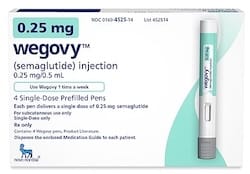
Order Wegovy Online and Save on Your Prescription Today
The Mechanics of Semaglutide and Weight Management
Think of your body as a complex orchestra where hunger and satiety are the lead musicians. Usually, they play in a messy, uncoordinated rhythm that leaves you craving snacks at odd hours. Semaglutide steps onto the stage like a seasoned conductor, stepping in to harmonize these signals so the music finally makes sense.
At its core, the medication mimics a natural hormone called GLP-1, which your gut produces after you eat. It acts as a messenger, telling your brain, “Hey, we have plenty of fuel; you can stop hunting for food now.” This biological signal is the secret sauce that makes the weight loss journey feel less like a battle.
Without this intervention, many people find themselves trapped in a cycle of “food noise.” This isn’t just hunger; it is a constant, nagging mental chatter about the next meal. Semaglutide effectively turns down the volume on that noise, allowing you to focus on life rather than your next snack.
The Biological Domino Effect
When semaglutide enters your system, it doesn’t just target your brain; it talks to your pancreas too. It encourages the release of insulin when your blood sugar rises, acting like a smart thermostat for your energy levels. This prevents the dramatic spikes and crashes that often lead to intense sugar cravings.
Furthermore, the medication slows down gastric emptying. Imagine a slow-moving stream instead of a rushing waterfall; food stays in your stomach longer. This physical sensation of fullness is a game-changer for those who have struggled with portion control in the past.
It is not a magic pill, but rather a biological nudge. By slowing down how fast your stomach empties, you feel satisfied for much longer periods. This makes it easier to maintain a calorie deficit without feeling like you are constantly starving yourself of joy.
Clinical data highlights how this dual action works. Below is a breakdown of the primary physiological shifts occurring within the body:
- Insulin Regulation: Enhances glucose-dependent insulin secretion.
- Glucagon Suppression: Lowers excess glucagon levels after eating.
- Gastric Emptying: Slows the transit of food through the digestive tract.
- Satiety Signaling: Communicates fullness to the hypothalamus in the brain.
Comparing Metabolic Pathways
Understanding how this differs from traditional diet pills is vital. Older weight loss aids often relied on stimulants, which felt like driving a car with the accelerator floored. They increased heart rate but didn’t address the underlying hunger signals that drive most weight gain.
Semaglutide takes a much more subtle approach. Instead of forcing the body into a state of high energy, it works with your existing hormonal architecture. It is the difference between forcing someone to run and simply removing the temptation to sit on the couch.
The following table illustrates the shift in how the body processes energy when using this treatment compared to standard caloric restriction alone:
| Feature | Caloric Restriction Only | Semaglutide Assisted |
| Primary Mechanism | Reduced Intake | Hormonal Modulation |
| Hunger Levels | Often Increased (Ghrelin) | Significantly Decreased |
| Satiety Duration | Short-lived | Extended |
While the cost of treatment can vary, many patients find the metabolic peace of mind worth the investment. Depending on insurance coverage, out-of-pocket costs for prescriptions can range from $250 to $1,200 per month. It is a significant commitment, but one that targets the root cause of metabolic dysfunction.
Navigating the Wegovy Dosage Escalation Process
Think of starting Wegovy like learning to drive a manual transmission car. You wouldn’t floor the gas pedal while shifting into high gear immediately; you would start slow to avoid stalling. The titration process is designed to help your body adjust to the medication without a total system shock.
Medical professionals use a very deliberate “step-up” method. You start with a tiny dose, often 0.25 mg, which is essentially a primer for your system. This initial phase isn’t usually about losing weight; it is about teaching your digestive tract how to handle the new hormonal signals without throwing a tantrum.
If you try to skip steps or jump straight to the high-strength doses, you might find yourself feeling like you’ve swallowed a heavy stone. Nausea and stomach discomfort are the most common side effects when the body isn’t given enough time to adapt to the rising levels of semaglutide.
The Step-by-Step Titration Schedule
Most people follow a predictable ladder of increasing doses. You typically spend four weeks at each level before moving up. It’s a slow climb, but this steady progression is the key to minimizing the “rollercoaster” feeling that many new users fear during the first few months of treatment.
During these early weeks, your primary goal is stability. You might feel a slight decrease in appetite, but the real victory is simply tolerating the medication comfortably. If you experience significant nausea, your doctor might suggest staying at your current dose for a few extra weeks before attempting to climb higher.
The schedule usually looks something like this, though your specific plan will depend entirely on your doctor’s clinical judgment and your personal tolerance levels:
- Phase 1: 0.25 mg once weekly for 4 weeks.
- Phase 2: 0.5 mg once weekly for 4 weeks.
- Phase 3: 1.0 mg once weekly for 4 weeks.
- Phase 4: 1.7 mg once weekly for 4 weeks.
- Maintenance: 2.4 mg once weekly (the target dose).
It is important to remember that “more” does not always mean “better” in the beginning. Sometimes, a patient finds their “sweet spot” at a lower dose. If you are seeing consistent weight loss and feeling great at 1.0 mg, your physician might decide there is no need to push further.
Managing Costs Throughout the Escalation
As you move up the dosage ladder, the financial aspect of your treatment can shift. While the number of pens you use might remain the same, the way insurance companies view your “maintenance dose” can sometimes change. It is vital to keep a close eye on your monthly budget.
Many people find that their out-of-pocket expenses fluctuate depending on their specific pharmacy benefits or whether they are using a manufacturer coupon. It is wise to plan for the full cost of the highest dose, even if you start much lower, to avoid any mid-month surprises.
The following table provides a snapshot of how different monthly cost scenarios might look for various dosing tiers and insurance outcomes:
| Monthly Scenario | Estimated Monthly Cost | Typical Coverage Status |
|---|---|---|
| Initial Titration (Low Dose) | $350 | Partial Coverage |
| Mid-Level Dose (Standard) | $750 | Co-pay Applied |
| Maintenance Dose (High Dose) | $1,100 | Co-pay Applied |
| Full Out-of-Pocket (No Insurance) | $1,350 | No Coverage |
Navigating these costs is a marathon, not a sprint. Some patients find success by looking into manufacturer assistance programs or checking if their specific insurance plan offers a “preferred pharmacy” discount. Always talk to your provider about the long-term financial roadmap of your weight management journey.
Analyzing Wegovy Costs and Insurance Coverage
Navigating the financial side of Wegovy can often feel like trying to walk through a dense fog without a compass. One moment you are feeling optimistic about your progress, and the next, you are staring at a pharmacy bill that makes your eyes water. It is a complex dance of premiums, deductibles, and coverage rules.
The price tag for this medication is not a fixed number that you can simply set in stone. Instead, it shifts like the tides depending on your specific insurance provider and the tier they assign to semaglutide. For some, it is a manageable monthly expense, while for others, it feels like a heavy anchor on their household budget.
Understanding these costs requires a bit of detective work. You cannot simply assume that because your neighbor’s prescription was covered, yours will be too. Every plan has its own set of quirks, and being prepared for the “worst-case scenario” is the best way to ensure your treatment remains uninterrupted.
The Maze of Insurance Approvals
Securing coverage for Wegovy often feels like you are auditioning for a role you didn’t ask for. Insurance companies are notorious for their gatekeeping. They frequently demand extensive documentation from your physician to prove that your weight-related health issues meet their specific, often rigid, medical necessity criteria.
Many patients find themselves caught in the “Prior Authorization” loop. This is a bureaucratic hurdle where your doctor must submit a mountain of paperwork to justify the prescription. It can be a frustrating game of waiting, where every delay feels like a setback in your personal health journey and your long-term goals.
If your claim is denied, don’t throw in the towel just yet. Most denials are not the final word. There is an appeals process, though it requires patience and a very persistent doctor’s office. Think of it as a battle of paperwork where the goal is to prove your clinical need.
Common reasons for denial include:
- The medication is listed as a “non-formulary” item.
- The patient hasn’t met the BMI threshold required by the plan.
- Failure to demonstrate a history of weight-related comorbidities.
- The plan requires a “step therapy” approach first.
Step therapy is particularly tricky. It’s the insurance version of “try this cheaper thing first.” They might require you to try older, less effective medications before they will foot the bill for Wegovy. It can feel like they are making you jump through hoops just to get the care you need.
Strategies for Managing Out-of-Pocket Expenses
If your insurance decides to play hardball, you aren’t entirely without options. Many manufacturers offer savings cards that can act as a lifeline. These programs can sometimes lower your co-pay significantly, making a high-priced medication feel much more accessible for the average person on a budget.
However, these cards often come with fine print that you must study closely. They typically only work with certain types of commercial insurance and won’t help if you are using government-funded programs like Medicare or Medicaid. Always double-check the fine print before you count your chickens before they hatch.
Another way to save is by being strategic about where you fill your prescription. Not all pharmacies are created equal when it comes to pricing. Some large retail chains might have different contracts with your insurer than your local independent pharmacy. A quick phone call can save you a significant amount of cash.
When calculating your budget, consider these three common cost structures:
| Cost Model | Estimated Monthly Out-of-Pocket | Best For |
| Manufacturer Savings Card | $25 to $585 | Commercial insurance users with high deductibles. |
| Standard Co-pay | $50 to $600 | Patients with comprehensive, low-deductible plans. |
| Cash Pay / No Insurance | $1,300+ | Uninsured patients or those with restrictive plans. |
It is vital to look at the “total cost of ownership” for your health. This includes not just the medication, but also the doctor’s visit fees and any necessary supplies. Planning for the long haul means being realistic about what you can afford every single month without breaking the bank.
Comparing Wegovy to Other GLP-1 Medications
Choosing between different weight-loss medications can feel like trying to navigate a dense fog without a compass. You know there are several paths available, but each one carries its own unique set of variables. It is not just about the name on the box; it is about how the chemistry interacts with your specific biology.
The landscape of GLP-1 receptor agonists is shifting rapidly. While Wegovy is a heavy hitter in the market, it isn’t the only player on the field. Some medications are designed for chronic diabetes management, while others are specifically fine-tuned for long-term weight regulation. Mixing them up is a mistake that can lead to unexpected side effects.
Think of these medications as different tools in a specialized toolbox. You wouldn’t use a sledgehammer to hang a picture frame, and you might not want a surgical scalpel for a simple task. Each drug has a specific “personality” regarding how it affects your appetite, your digestion, and your metabolic markers over time.
Understanding these nuances is the first step toward a successful journey. You will likely find that what works for a friend might feel like a total mismatch for your body. It is a deeply personal endeavor that requires constant dialogue between you and your healthcare provider to ensure the fit is just right.
The Battle of the Molecules
When we talk about Wegovy, we are talking about semaglutide. This particular molecule is a bit of a celebrity in the medical world. It mimics a hormone your body naturally produces, telling your brain that you are full and satisfied. It is a slow-burning, steady presence in your system that works around the clock.
Then you have options like Ozempic, which uses the exact same active ingredient. However, the intended purpose is different. Ozempic is the veteran fighter specifically approved for Type 2 diabetes. While many people use it “off-label” for weight, Wegovy is the version that has been specifically tailored for weight management through clinical trials.
There is also Mounjaro, which utilizes a different mechanism entirely. Instead of just hitting one target, it acts like a dual-threat fighter, targeting two different receptors in the body. This dual-agonist approach can sometimes offer a more powerful punch for certain patients, but it also brings a different profile of potential side effects to the table.
It is a bit like comparing a high-performance sedan to a heavy-duty truck. Both will get you from point A to point B, but they handle the road very differently. You have to consider whether your body prefers the smooth, steady cruise of semaglutide or the aggressive, multi-targeted approach of a dual-agonist medication.
Key Differences at a Glance
To make sense of the chaos, it helps to look at the hard data. Comparing these drugs side-by-side reveals why your doctor might lean one way or the other. It often comes down to the specific clinical goals you are trying to achieve with your treatment plan.
Some medications might offer a more significant drop in blood sugar, which is vital if diabetes is your primary concern. Others might be slightly more tolerable for your stomach, which is a huge factor if you have a sensitive digestive system. The best drug is often the one that you can actually stick to.
Consider these primary distinctions when discussing your options with a professional:
- Wegovy: Specifically FDA-approved for chronic weight management.
- Ozempic: Primarily approved for Type 2 diabetes management.
- Mounjaro: A dual-agonist targeting both GLP-1 and GIP receptors.
- Zepbound: The weight-management specific version of the dual-agonist.
The following table provides a snapshot of how these popular options generally stack up against one another in terms of their primary clinical focus and common usage patterns:
| Medication | Primary Target | Mechanism |
| Wegovy | Weight Management | GLP-1 Receptor Agonist |
| Ozempic | Type 2 Diabetes | GLP-1 Receptor Agonist |
| Zepbound | Weight Management | GLP-1 & GIP Agonist |
| Mounjaro | Type 2 Diabetes | GLP-1 & GIP Agonist |
Ultimately, the winner isn’t found in a textbook. It’s found in how your body responds to the dose. Some people find they need a higher titration to see results, while others find the side effects are too much to bear. Keep a journal of how you feel; it is your most valuable tool.
Procurement and Safe Shipping Practices
Navigating the Pharmacy Landscape
Finding a reliable source for Wegovy can often feel like searching for a needle in a haystack. With the global demand for GLP-1 medications skyrocketing, many people find themselves staring at empty shelves at their local retail pharmacy. It is easy to feel frustrated when a simple prescription turns into a week-long scavenger hunt across town.
You might be tempted to take a shortcut by looking at offers that seem too good to be true online. I once knew a patient who tried to save a few bucks by ordering from an unverified overseas vendor. It turned out the vials were counterfeit, containing nothing but saline. Never gamble with your health just to save a little pocket change.
The safest route is always through a licensed, reputable pharmacy that requires a valid prescription from your doctor. This ensures the medication is authentic and has been handled with the utmost care. If a website doesn’t ask for a script or looks like it was built in 1998, walk away immediately. Your safety is worth much more than a discount.
When comparing costs, keep in mind that legitimate pricing reflects the high production standards required. You might see prices ranging from $900 to $1,300 per month depending on your insurance coverage. If you are paying out of pocket, always ask about manufacturer savings cards, which can sometimes bring the cost down significantly for eligible patients.
The Science of Cold Chain Logistics
Wegovy is a finicky traveler. Because it is a protein-based medication, it is incredibly sensitive to temperature fluctuations. If those pens sit in a hot delivery truck for too long, the molecules can denature, essentially turning your expensive medicine into useless water. It is a high-stakes game of biological preservation during every single shipment.
Proper shipping requires a cold chain protocol, meaning the medication must stay within a strict temperature range—typically between 36°F and 46°F. High-quality pharmacies use insulated packaging and specialized gel packs to maintain this environment. It is not just about getting the box to your door; it is about ensuring the integrity of the liquid inside.
When your package arrives, do not let it sit on the porch in the sun. Open it immediately and check the contents. If the medication looks cloudy, discolored, or has visible particles, stop using it. It is better to call the pharmacy and request a replacement than to inject something that has lost its potency.
To keep your supply stable at home, a dedicated medical refrigerator is your best friend. Avoid storing it in the door of your fridge, as the temperature there fluctuates every time you grab milk. Keeping it in the middle of the main compartment ensures a steady, cool environment for your precious doses.
Red Flags in the Digital Marketplace
The internet is a wild frontier, and unfortunately, it is crawling with scammers looking to exploit the weight-loss craze. You might encounter websites claiming to ship compounded versions of Wegovy at a fraction of the cost. While compounding is a legitimate practice in some cases, it is a legal and safety gray area for many GLP-1s.
Always verify the credentials of any online pharmacy before you hit that buy button. A legitimate provider will be able to provide their National Association of Boards of Pharmacy (NABP) accreditation. If they are being evasive about their licensing or their physical headquarters, consider that a massive red flag that you should never ignore.
Be wary of social media influencers claiming they found a secret loophole to get Wegovy for $50. These are almost certainly scams designed to steal your credit card information. The reality of pharmaceutical procurement is often much more bureaucratic and expensive than the glossy, filtered images on your Instagram feed suggest.
Use this checklist to vet any potential provider before you commit your hard-earned money:
- Verification: Does the pharmacy require a valid prescription from a US-licensed physician?
- Accreditation: Is the pharmacy a member of the VIPPS program or NABP accredited?
- Transparency: Are the shipping costs and total prices clearly disclosed upfront?
- Communication: Can you easily reach a real person via phone if a shipment goes missing?
Optimizing Results Through Lifestyle Integration
Think of Wegovy as a powerful engine, but even the most advanced sports car won’t win a race if you’re running on empty or driving through a swamp. The medication works by slowing gastric emptying and signaling fullness, but it isn’t a magic wand that erases the consequences of a poor diet.
To truly see the needle move on the scale, you must treat your body like a high-performance machine. Relying solely on the injection without adjusting your habits is like trying to fix a sinking ship by simply bailing out water faster. You have to plug the holes in your nutritional habits to see long-term success.
I once spoke with a client who felt frustrated because the scale hadn’t moved in three weeks. After a closer look, it turned out they were grazing on high-calorie snacks throughout the day. Even with the medication, those small, frequent calories can add up quickly and stall your momentum entirely.
Focusing on protein intake is your secret weapon. Aiming for high-quality protein at every meal helps preserve lean muscle mass while you lose fat. This is crucial because you want to lose weight, not just shed muscle, which can leave you feeling weak and sluggish during your workouts.
Fueling for Success and Muscle Preservation
When you are on a GLP-1 medication, your appetite often takes a backseat. While this is the goal, it presents a unique challenge: you might not eat enough to meet your nutritional needs. It is a delicate balancing act between feeling full and ensuring your body gets what it needs.
Prioritize nutrient density over sheer volume. Instead of filling your plate with empty calories, reach for leafy greens, lean poultry, and healthy fats. If you find yourself struggling to eat enough during a meal, consider drinking your nutrients through a high-quality protein shake to keep your strength up.
Hydration is another non-negotiable pillar of your lifestyle. Many people mistake the thirst signals of dehydration for hunger or nausea. Staying well-hydrated helps mitigate common side effects like constipation and ensures that your metabolic processes are running as smoothly as possible while you lose weight.
Consider this simple nutritional hierarchy to guide your daily choices:
- Primary Focus: Lean proteins and fiber-rich vegetables to maintain satiety.
- Secondary Focus: Complex carbohydrates for sustained energy levels during activity.
- Tertiary Focus: Healthy fats for hormone regulation and brain health.
- Avoid: Highly processed sugars and excessive sodium that cause bloating.
Movement and the Metabolic Engine
Exercise is not just about burning calories; it is about telling your body to keep its muscle and burn its fat. Resistance training is the gold standard here. Lifting weights or doing bodyweight exercises signals to your brain that your muscles are necessary, preventing the dreaded skinny fat look.
Don’t feel like you have to run a marathon on day one. Consistency beats intensity every single time. A brisk thirty-minute walk each day can do wonders for your cardiovascular health and helps regulate your blood sugar levels, which complements the work the Wegovy is already doing.
Listen to your body’s signals carefully. Some days, the medication might make you feel a bit more fatigued than usual. On those days, active recovery like yoga or light stretching is perfectly acceptable. The goal is to stay moving without pushing yourself into a state of total exhaustion.
If you are tracking your progress, remember that the scale is a liars’ tool sometimes. Use these metrics instead:
| Metric | Why It Matters |
| Body Measurements | Shows fat loss in inches even if weight stays the same. |
| Clothing Fit | A much more satisfying indicator of physical change. |
| Energy Levels | A sign that you are eating enough to support your life. |
| Strength Gains | Confirms you are maintaining muscle mass during weight loss. |