

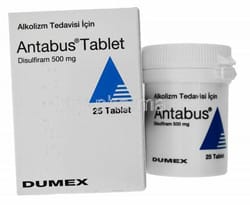
Buy Antabuse Online: Best Prices and Fast Delivery
How Disulfiram Works to Halt Alcohol Consumption
Think of your liver as a busy chemical factory that processes ethanol with precision. Normally, your body breaks down alcohol into acetaldehyde, a toxic byproduct, which is then quickly converted into harmless acetate. This transition is vital for keeping your internal systems running smoothly without any unpleasant side effects or sudden crashes.
Antabuse enters the scene like a sudden roadblock on a high-speed highway. It specifically targets and inhibits the enzyme known as acetaldehyde dehydrogenase. When this enzyme is sidelined, the metabolic pathway hits a dead end, causing a massive buildup of acetaldehyde to accumulate rapidly within your bloodstream.
This biological bottleneck is the heart of the treatment’s efficacy. By preventing the final step of detoxification, the drug ensures that even a tiny sip of wine or beer triggers a chemical cascade. It essentially turns the body’s natural processing system against the substance it is trying to eliminate.
The Immediate Physiological Reaction
Imagine walking into a room and suddenly feeling like the floor is tilting beneath your feet. When a person on disulfiram consumes alcohol, the reaction is almost instantaneous and incredibly intense. It isn’t just a mild headache; it is a full-body revolt that demands immediate attention and cessation of drinking.
The symptoms can strike like a sudden thunderstorm. Patients often report a violent flushing of the skin, a racing heart, and a crushing sensation in the chest. It feels as though your body is actively rejecting the substance, creating a visceral connection between the act of drinking and physical distress.
Common symptoms include:
- Severe nausea and projectile vomiting
- Pounding, throbbing headaches
- Shortness of breath and palpitations
- Dizziness and intense facial flushing
This reaction is not a mere suggestion from the body; it is an emergency signal. The discomfort is so profound that it serves as a powerful psychological anchor, linking the craving for alcohol with an immediate, unpleasant physical consequence that most people desperately want to avoid.
A Deterrent Through Physical Discomfort
The true genius of this medication lies in its ability to act as a biological deterrent. It doesn’t lecture the patient through willpower alone; instead, it uses the body’s own survival instincts to enforce sobriety. It turns the “reward” of a drink into a punishing physiological event.
For many, the fear of this reaction becomes a psychological shield. The thought of experiencing such a violent sickness acts as a mental barrier, making the decision to abstain much easier during moments of intense craving. It is a hard-won battle fought through physical consequences rather than just mental grit.
However, this method is a double-edged sword. Because the discomfort is so severe, it requires constant vigilance. One cannot simply “test” a drink to see if it works; even a small amount of alcohol, including certain mouthwashes or sauces, can trigger the dreaded reaction.
Doctors monitor patients closely because the stakes are high. If a person accidentally consumes alcohol, the reaction can be life-threatening. The goal is to create a “safety net” of discomfort that keeps the individual on the path of recovery, using fear of sickness as a tool for discipline.
Timeline of Onset and Duration
Timing is everything when dealing with disulfiram. It isn’t a “magic pill” that works the second you swallow it. You must wait for the medication to reach therapeutic levels in your system before any alcohol consumption is attempted. Taking it too soon is a recipe for disaster.
Generally, it takes about 24 hours for the drug to reach full effect in the bloodstream. Most clinicians recommend waiting at least a full day after the last dose before considering any alcohol. This ensures the enzyme inhibition is stable and the deterrent effect is fully active.
The duration of the drug’s presence is equally significant. Even after you stop taking the pills, the effects linger in your system for quite some time. This long half-life means the “danger zone” remains open for several days, requiring careful planning and strict adherence to medical advice.
| Phase | Estimated Timeframe | Status |
| Initial Dose | 0 – 24 Hours | Building concentration |
| Full Effect | 24 – 48 Hours | Maximum inhibition |
| Residual Effect | Up to 5 Days | Risk of reaction persists |
Standard Dosage and Administration Protocols
Navigating the specifics of a prescription can feel like walking a tightrope without a net. When a physician determines that disulfiram is the right tool for the job, they don’t just toss a pill your way and wish you luck. The dosage is a carefully calibrated instrument designed to maintain a steady presence in your bloodstream to ensure continuous protection.
For the average adult patient, the standard daily requirement typically falls between 250 mg and 500 mg. This dose is usually taken once a day, often in the morning to keep the rhythm of the day consistent. Some clinicians might adjust these numbers based on your body weight or how your liver is processing the medication over time.
It is not a “take it when you feel like it” kind of situation. The effectiveness of the treatment hinges on the drug being present in your system at all times. If you miss a beat, you might lose that protective shield, leaving you vulnerable to the very cravings you are fighting so hard to overcome.
Consistency is the golden rule of this pharmacological regimen. Think of it like a protective bubble that must be maintained around your sobriety. If the levels in your blood dip too low because of missed doses, the chemical barrier weakens, and the biological deterrent might not trigger as effectively as intended.
Managing the Adjustment Phase
Starting a new medication is often like breaking in a new pair of boots; it can be a bit uncomfortable at first. During the initial adjustment phase, your body is learning to dance with the new chemical levels. It is quite common to experience some mild, nagging side effects as your system recalibrates itself.
Many patients report feeling a bit “off” during the first week. You might notice a slight headache, a bit of nausea, or perhaps some dizziness when you stand up too quickly. These are often the body’s way of saying it is adjusting to the presence of the disulfiram and the shifts in enzyme activity.
If these sensations feel like a minor nuisance, it is usually something you can ride out. However, if you feel like you are being hit by a freight train, you must reach out to your doctor immediately. There is a significant difference between a mild adjustment and a serious adverse reaction that requires medical intervention.
It is vital to keep a log of how you are feeling during these early days. Note down when the symptoms occur and how long they last. This information is pure gold for your healthcare provider, helping them decide if your dosage is hitting the mark or if it needs a slight tweak.
Handling Missed Doses and Errors
Life happens, and sometimes the routine gets thrown out the window. Perhaps you were too tired to remember, or maybe you just forgot to set your alarm. If you realize you missed a dose, the first thing you should do is check the clock and your doctor’s specific instructions immediately.
If it is still relatively close to the time you were supposed to take it, you might be able to take it then. But if you are already approaching the time for your next dose, do not try to “double up” to make up for lost time. Taking extra could push the concentration into a dangerous territory.
Taking a dose incorrectly can throw the whole system into a tailspin. For example, taking the pill with a heavy, fatty meal might change how quickly your body absorbs the medication. Always aim for consistency in how you take it—ideally with water and at the same time every single day.
If you find yourself struggling to keep the schedule, talk to your pharmacist. They can often suggest tools like pill organizers or smartphone alerts to keep you on track. The goal is to make the medication a seamless part of your daily rhythm, rather than a constant source of stress.
Below is a comparison of common pharmacy service options for managing your prescription costs:
| Service Plan Type | Monthly Cost | Terms and Conditions |
|---|---|---|
| Standard Retail | $45 | Pay as you go, no long-term commitment |
| Preferred Mail Order | $30 | Requires 90-day supply, free delivery |
| Insurance Co-pay | $15 | Subject to specific provider network rules |
| Generic Savings Club | $25 | Requires annual membership fee |
Antabuse Cost Analysis and Price Breakdown
Navigating the financial side of sobriety can feel like walking a tightrope without a safety net. When you add the cost of medication into the mix, the mental load increases. Understanding what you will actually pay at the pharmacy counter can help you plan your budget without any nasty surprises.
For a standard 30-day supply, you might see retail prices ranging anywhere from $15 to over $150. This wide gap often leaves patients scratching their heads at the register. The final number on your receipt depends heavily on several moving parts that dictate how much the manufacturer charges versus what you pay.
It is important to look at the sticker price versus the actual out-of-pocket expense. Some people find that the “sticker price” is just a starting point for negotiations. Always ask your pharmacist if there are any active manufacturer coupons or local discount programs available to help bring that total down significantly.
Brand vs. Generic Variations
In the pharmaceutical world, the name on the bottle carries a heavy weight. Antabuse is the brand-name version, which often comes with a premium price tag. It is the “designer label” of the disulfiram world, and you certainly pay for that brand recognition when you head to the pharmacy.
On the other hand, generic disulfiram is the workhorse that keeps things affordable. Switching to a generic can feel like finding a hidden treasure in your wallet. While the active ingredient is the same, the price difference can be the difference between breaking the bank and staying on budget.
Sometimes, a doctor might specify “no substitutions” on a prescription. If that happens, you are locked into the brand-name pricing, which can be quite steep. It is worth having a quick chat with your healthcare provider to see if a generic version is a suitable alternative for your specific needs.
When comparing these options, keep a few key differences in mind:
- Brand-Name Antabuse: Higher cost, often preferred by certain clinicians for brand reliability.
- Generic Disulfiram: Significantly lower cost, provides the same therapeutic effect for most.
- Pharmacy Brand: Some large chains have their own “store brand” which may offer mid-range pricing.
Insurance and Pharmacy Benefits
Insurance coverage is the great equalizer when it comes to medication costs. If you have a robust plan, your out-of-pocket cost might drop to a mere co-pay. However, navigating the labyrinth of “preferred pharmacies” and “formulary tiers” can feel like a full-time job in itself.
Some insurance companies view disulfiram as a specialized medication, meaning it might fall under “specialty pharmacy” rules. This can sometimes mean higher co-pays or a requirement for prior authorization. You don’t want to find out about these hurdles when you are already standing in line at the drugstore.
It is a wise move to call your insurance provider before you even pick up the first prescription. Ask them specifically about your coverage for disulfiram. Knowing your “tier” status beforehand can help you decide whether to use a local pharmacy or a mail-order service to save money.
Mail-order pharmacies are often the “secret weapon” for long-term maintenance. They frequently offer 90-day supplies at a much lower rate than a 30-day supply from a local shop. If your insurance supports it, switching to mail-order can be a game-changer for your monthly household budget.
Annual Maintenance Costs
Since this medication is often part of a long-term recovery strategy, looking at the monthly cost is only half the story. You have to look at the big picture: the annual total. This long-term view helps you understand the true commitment required for your financial health.
If you are paying full price for a 30-day supply of brand-name Antabuse, you might be looking at a yearly bill that exceeds $1,500. That is a significant chunk of change that could otherwise go toward other recovery supports. It is a sobering thought for anyone managing a tight budget.
However, if you are using a generic with a low co-pay, that annual cost might drop to under $400. That difference is massive. It is the difference between a manageable expense and a significant financial burden that could cause unnecessary stress during an already challenging time.
Here is a rough estimate of what your yearly investment might look like based on different coverage scenarios:
| Scenario | Estimated Monthly | Estimated Annual |
| Full Brand-Name (No Insurance) | $150 | $1,800 |
| Generic (With Insurance Co-pay) | $20 | $240 |
| Brand-Name (With Insurance Co-pay) | $50 | $600 |
| Generic (Mail-Order Savings) | $12 | $144 |
Comparing Disulfiram with Alternative Sobriety Aids
Choosing a path toward sobriety is rarely a straight line; it is more like navigating a dense forest without a compass. For many, disulfiram acts as a strict guardian, creating an immediate physical aversion to alcohol. It is a “deterrent” in the truest sense, making the very thought of a drink feel like a looming disaster.
In contrast, Naltrexone works like a quiet shield. Instead of punishing you for drinking, it dulls the “reward” or the high associated with alcohol consumption. It doesn’t make you sick if you slip up; it simply makes the experience feel underwhelming, like listening to a favorite song that has lost its melody.
Deciding between these two is not a matter of which is “better” in a vacuum, but rather which fits your lifestyle. Some people need the heavy-handed accountability of disulfiram to stay on track, while others find the subtle shift of Naltrexone much easier to live with daily. It is a deeply personal decision.
The fundamental difference lies in how they approach the brain’s chemistry. Disulfiram relies on fear of physical illness, while Naltrexone targets the dopamine reward system. One is a blunt instrument designed for immediate prevention, while the other is a subtle modifier of cravings and pleasure.
Medication Versus Behavioral Therapy
Medication-assisted treatment (MAT) is often described as a life jacket in a stormy sea. It provides the stability needed to keep your head above water when cravings feel like a tidal wave. For many, the biological urge to drink is so overwhelming that willpower alone feels like trying to stop a landslide with a shovel.
However, pills are not a magic wand that fixes everything. Relying solely on medication without addressing the underlying reasons for addiction can be like patching a hole in a boat while ignoring the iceberg. If you don’t address the emotional triggers, the craving may simply find a new, different outlet to express itself.
This is where behavioral therapy enters the picture, acting as the navigator for your journey. Therapy provides the tools to handle stress, trauma, and social pressures without reaching for a bottle. It focuses on the “why” behind the addiction, rather than just the physical “how” of stopping the consumption.
The most successful outcomes often involve a “belt and suspenders” approach. Combining medication to manage the physical cravings with therapy to rebuild your psychological resilience creates a dual-layered defense. It is the difference between just staying dry and actually learning how to swim in deep water.
When looking at the pros and cons, consider these factors:
- Medication (MAT): Pros: Rapidly reduces physical cravings; highly effective for biological dependence. Cons: Does not address emotional triggers; potential side effects.
- Behavioral Therapy: Pros: Teaches long-term coping skills; addresses root causes of addiction. Cons: Requires significant time and emotional energy; results are often slower.
Success Rates and Patient Tolerance
Success in sobriety is a moving target, and “success” looks different for everyone. Clinical studies suggest that Naltrexone often boasts higher long-term adherence rates simply because it lacks the “fear factor” of disulfiram. When a person feels sick from a mistake, they might feel a sense of failure that triggers further drinking.
Disulfiram has a reputation for being a “tough love” medication. While it is incredibly effective at preventing drinking through physiological aversion, the tolerance for side effects can be low. Some patients find the nausea or the intense physical discomfort too much to handle, leading them to stop the treatment prematurely.
Data indicates that patient tolerance profiles vary wildly. For instance, someone with a history of severe anxiety might find the “threat” of disulfiram’s side effects too stressful, whereas someone with a highly impulsive nature might find the strictness of the medication to be the only thing keeping them safe.
It is important to remember that success is not a binary state. A person might have a slip-up but still remain in recovery. The goal of these treatments is to prevent a slip-up from turning into a full-blown relapse. The “best” option is often the one a patient can actually stick with.
Choosing Based on Your Health History
Your medical history is the blueprint that your doctor will use to map out your treatment. If you have underlying heart conditions or issues with your liver, disulfiram might be off the table entirely. It is a heavy-duty drug that requires a robust cardiovascular system to process safely.
On the other hand, if you have a history of depression or high anxiety, the psychological weight of disulfiram might be a heavy burden. A doctor will look at your blood work, your current medications, and your mental health history to determine which path is the safest and most effective for your body.
Consider your lifestyle and environment as well. If your social circle revolves around heavy drinking, you might need the more aggressive deterrent of disulfiram. If you are in a stable environment but struggle with the “reward” of a single glass of wine, Naltrexone might be the lighter touch you need.
Ultimately, this choice is a partnership between you and your healthcare provider. You are the expert on your own body and your own cravings. Bring your questions, be honest about your past slips, and don’t be afraid to ask for a different approach if the first one feels like it is failing you.
| Factor | Disulfiram (Antabuse) | Naltrexone |
| Primary Mechanism | Physical Aversion (Sickness) | Reward Blunting (Reduced Pleasure) |
| Tolerance Risk | Higher (due to side effects) | Lower (milder side effects) |
| Health Pre-requisite | Good Liver/Heart Health | Generally more flexible |
| Primary Benefit | Strong Deterrent | Reduces Cravings/Highs |
Sourcing and Safe Procurement Methods
The Necessity of Professional Oversight
Navigating the world of prescription medications is like walking through a minefield without a map. You cannot simply browse a digital catalog and expect a life-altering drug like Antabuse to arrive at your door without consequences. Because this medication works by creating a severe physiological reaction to alcohol, it requires a licensed physician’s watchful eye.
A doctor acts as your navigator, ensuring your liver and heart can handle the metabolic stress. Without a valid prescription, you are flying blind in a storm. Attempting to bypass the medical system isn’t just illegal; it is a gamble with your biological safety. You need a professional to weigh your history against the drug’s potency.
Think of a prescription as a verified seal of quality. It ensures that what is in the bottle matches the label exactly. In the shadows of the unregulated market, you might be paying $150 for something that is nothing more than chalk or, worse, a dangerous counterfeit. Always insist on a direct link between your doctor and your pharmacy.
Many patients find that their doctor’s office can recommend a specific, trusted pharmacy to streamline the process. This removes the guesswork and ensures the medication is tracked from the manufacturer to your doorstep. It is about building a safety net, not just filling a bottle to keep on the shelf.
Identifying Red Flags in Online Pharmacies
The internet is a vast ocean, but not all waters are safe to sail. When searching for a pharmacy, keep your wits about you. If a website claims they can ship Antabuse without a prescription, run the other way. That is a massive red flag that they are operating outside the law and safety protocols.
Watch out for “too good to be true” pricing. If a reputable pharmacy quotes $200 for a monthly supply and a random site offers it for $35, you are likely looking at a scam or a counterfeit product. These “bargain” sites often operate out of jurisdictions where quality control is non-existent and regulations are merely suggestions.
You should also look for these specific warning signs:
- Lack of contact information: If they don’t have a physical address or a working phone number, they aren’t a real business.
- Payment hurdles: Be wary if they only accept non-traceable methods like wire transfers or cryptocurrency.
- Generic-looking sites: Professional pharmacies invest in secure, encrypted websites. If the site looks like it was built in 1998, proceed with extreme caution.
A legitimate pharmacy will always offer a way to verify their credentials. They won’t shy away from answering your questions about their licensing. If they try to rush you into a purchase or use high-pressure sales tactics, they are likely more interested in your wallet than your well-being.
Shipping, Packaging, and Timelines
Once you have secured a legitimate source, the logistics of delivery become the next priority. For domestic orders, you should expect a shipping timeline of anywhere from 3 to 7 business days. Anything faster might imply a lack of proper temperature control or standard handling procedures during transit.
The packaging itself tells a story about the provider’s professionalism. Your medication should arrive in a discreet, sturdy, and sealed container. It shouldn’t look like it was tossed into a generic envelope. Secure packaging is vital to prevent any tampering or accidental damage to the tablets during the long journey.
International shipping is a different beast entirely. While it might seem cheaper to order from overseas, the timeline can stretch into weeks. Furthermore, you face the “customs gauntlet.” Medications held in customs are often seized, meaning you could lose your money and your medicine in one fell swoop.
If you choose to go the international route, you must verify if the distributor is legally permitted to ship to your specific region. Many countries have strict laws regarding the importation of controlled substances. It is better to pay a bit more for a domestic shipment than to deal with legal headaches or lost packages.
Domestic vs. International Distributors
When choosing between a local pharmacy and an international distributor, you are essentially choosing between certainty and uncertainty. Domestic distributors are bound by the stringent regulations of your own country’s health agencies. This means there is a clear chain of custody and a legal recourse if something goes wrong.
International distributors can be tempting because of the lower price points. However, the risk profile is significantly higher. You are often dealing with different standards of manufacturing and storage. A pill that stayed in a hot shipping container for three weeks in a different climate may lose its efficacy entirely.
Consider the following comparison when evaluating your options:
| Feature | Domestic Distributor | International Distributor |
| Regulatory Oversight | High (Local Laws) | Variable (Often Low) |
| Shipping Speed | Predictable (3-7 Days) | Unpredictable (Weeks) |
| Risk of Seizure | Minimal | Significant |
| Price Point | Standard ($$$) | Lower ($$) |
At the end of the day, your sobriety is too important to leave to chance. While a $50 saving might seem tempting today, it isn’t worth the risk of receiving a fake or ineffective pill. Stick to the established paths, use licensed professionals, and prioritize your safety above all else.
Critical Safety Warnings and Contraindications
Who Should Avoid This Medication
Before you take that first pill, you must ensure your body is up to the task. Antabuse works by creating a profound physiological aversion to alcohol, but it isn’t a walk in the park. It is a heavy-duty biological deterrent that demands a baseline of good health to function safely.
People with underlying heart conditions should steer clear of this medication. Because the drug triggers intense physical reactions, putting extra strain on a compromised cardiovascular system is like throwing gasoline on a small fire. If you have a history of irregular heartbeats, your doctor might suggest a different path.
Similarly, those battling severe liver disease or active neurological issues should exercise extreme caution. Your liver is the primary engine for processing many substances, and adding this medication to the mix can be a recipe for disaster. It’s better to be safe than sorry when it comes to your internal organs.
Pregnancy and breastfeeding are also absolute “no-go” zones. Passing these chemicals to a developing baby is a risk no parent should take. If you suspect you might be pregnant, stop everything and call your physician immediately to discuss safer alternatives for managing your sobriety journey.
The Hidden Danger of Stealth Alcohol
Think of this medication as a biological landmine. You might think you are staying safe by avoiding a glass of wine, but alcohol is a master of disguise. It hides in plain sight, lurking in items you would never suspect during your daily routine or even a night out.
Be incredibly wary of certain foods and condiments. Some sauces, dressings, and even ripe fruits contain trace amounts of ethanol. While a small bite won’t kill you, the cumulative effect can trigger a sudden, violent reaction. It is like playing a high-stakes game of Russian roulette with your dinner.
Hygiene products are another sneaky culprit that can catch you off guard. Many mouthwashes, hand sanitizers, and even certain perfumes contain alcohol as a base. One quick splash of mouthwash could potentially trigger a sudden bout of nausea or a racing heart if you aren’t careful.
Always read labels like a detective on a mission. If you see “alcohol” or “ethanol” listed, treat it with suspicion. It might seem paranoid, but when your body reacts violently to a hidden ingredient, you will be glad you stayed vigilant about every single item in your cabinet.
Medication Interactions and Risks
Mixing medications can be like adding different chemicals to a volatile cocktail. Antabuse doesn’t play well with several common prescription drugs. One of the most significant concerns involves certain antibiotics or medications used to treat fungal infections. These can amplify the side effects to a dangerous level.
You must also watch out for medications that affect your central nervous system. Some sedatives or anti-anxiety drugs can interact poorly with this treatment, causing unpredictable changes in your mental state or physical coordination. Never assume that because a drug is “common,” it is safe to use while on this regimen.
If you are currently taking any other pills, be an open book with your healthcare provider. They need to see the full picture of your pharmacy shelf. A simple conversation now can prevent a massive, life-threatening interaction later. Don’t leave your safety to guesswork or old medical records.
When to Call for Emergency Help
While most side effects are uncomfortable, some are outright emergencies. If you experience sudden chest pain, it is a massive red flag. This could indicate a cardiac event triggered by the drug’s interaction with alcohol, and you shouldn’t waste a single second waiting for it to pass.
Watch for signs of a severe allergic reaction as well. If your throat begins to swell or you find it difficult to breathe, call emergency services immediately. These symptoms indicate anaphylaxis, a terrifying condition that requires instant medical intervention to keep your airway open and your heart beating.
Severe abdominal pain or persistent, violent vomiting also requires a trip to the emergency room. While nausea is expected, pain that feels like it’s tearing through you is not normal. If you feel like something is fundamentally wrong with your body, trust your gut and seek help.
In the heat of a reaction, confusion or extreme dizziness can also signal a crisis. If you feel like the world is spinning or you can’t grasp simple thoughts, don’t try to “sleep it off.” Get to a hospital immediately. In these moments, every minute counts toward your recovery.