
Unlike traditional banking systems, which require users to share personal and financial details, crypto transactions are pseudonymous. For operators, this translates into lower operational expenses and access to a global audience, fostering growth and scalability. Those hurdles can be frustrating for players, especially those in regions where financial systems are not conducive to international transactions. The future of iGaming presents exciting possibilities as digital currencies evolve beyond simple transactions. While digital currencies offer borderless transactions, operators must navigate jurisdiction-specific regulations carefully to maintain legitimate operations.
Here, we focus on how crypto gateways and wallets operate within a platform, the real economic benefits, why stablecoins dominate, and the challenges that can undermine it all. As demand for digital asset infrastructure continues to expand globally, Cregis remains focused on helping businesses operate digital assets with greater control, lower operational complexity, and stronger compliance readiness. Cobo provides MPC wallets alongside smart contract wallets, giving developers and institutional clients options across custody models. Fireblocks uses MPC-based custody to secure institutional digital assets, removing the single point of failure that comes with traditional key management. For iGaming operators, crypto payments present a wealth of opportunities—from global accessibility and cost savings to enhanced security and player satisfaction.
Not only are digital currencies being accepted by these platforms, but workflows are also being reimagined around them. Implement two-factor authentication, utilize cold wallets, and conduct regular security audits. Operators benefit from speed, savings, security, and access to new markets through 0xProcessing. Thus, considering the integration of crypto payments at this time is advisable. Access to new audiences, particularly in Latin America, Africa, and Asia, is enabled by the acceptance of over 65 cryptocurrencies. A series of limitations that hinder business growth and flexibility are created by these factors, posing challenges for igaming payments.
Its focus is on custody, transfer, and treasury management for banks, exchanges, and Web3 businesses. Operators handle high transaction volumes, serve users across multiple jurisdictions, and face strict regulatory scrutiny from licensing bodies in markets like the EU, UK, and emerging Asia-Pacific regions kodedice.com. Regulators across the EU, UK, and Asia-Pacific are tightening requirements around AML, transaction monitoring, and licensing for iGaming operators handling digital assets. Operators must focus on security, compliance, payment infrastructure and responsible gambling standards to create reliable experiences. However, integrating crypto payments into iGaming platforms involves more than simply accepting Bitcoin or other digital currencies.

These providers offer game integration, payment processing, user management, and reporting tools. The play-to-earn model is changing the relationship between players and games. Players in regions with how white-label payment gateways work limited access or restrictions on bank services can participate in gaming just using a smartphone and an internet connection. The ownership model also allows for the possibility of using assets across different games or platforms, further enhancing their utility and value. Blockchain technology introduces the concept of non-fungible tokens (NFTs), which represent unique digital assets.
This guide is a decision-making framework for operators evaluating modern iGaming payment solutions. That same behavioral pattern appears in open-access research on Bitcoin adoption in online payments, which reinforces why clarity matters more than hype when digital payment options move into mainstream use. Together, they explain why crypto payments are becoming more visible across digital entertainment.
With the growing acceptance of cryptocurrencies and the increasing number of players who prefer using crypto for their transactions, having a reliable and efficient crypto payment processor is essential for iGaming operators. By integrating a user-friendly cryptocurrency payment gateway, businesses can broaden their customer base, reduce transaction fees, and enhance the overall user experience in the rapidly evolving digital economy. It acts as an intermediary between the customer and the merchant, facilitating the transaction process by converting cryptocurrencies into traditional fiat currencies or allowing the merchant to receive payments directly in digital currencies. Yes, implementing crypto reduces payment processing fees, eliminates chargebacks, and lowers cross-border transaction costs. Despite its merits, one cannot completely rule out the legal risks and challenges that are involved.
Honoré Gaming Partners with The Affiliate Platform (TAP) to Drive Affiliate Revenue Growth for Operators
Smart contracts that automate financial transactions and game outcomes are hosted, ensuring that every payout and bet is recorded on a decentralized, transparent, and immutable ledger. Total cryptographic transparency is guaranteed, whether financial settlements and game results are managed off-chain or on-chain. Acting as a personal vault and user gateway, wallets enable interaction with platforms without exposing sensitive personal information stored in the secured player account management system. Typically utilizing a crypto wallet, players engage with the platform through their favorite payment method, which streamlines swift deposits and withdrawals via crypto transactions.
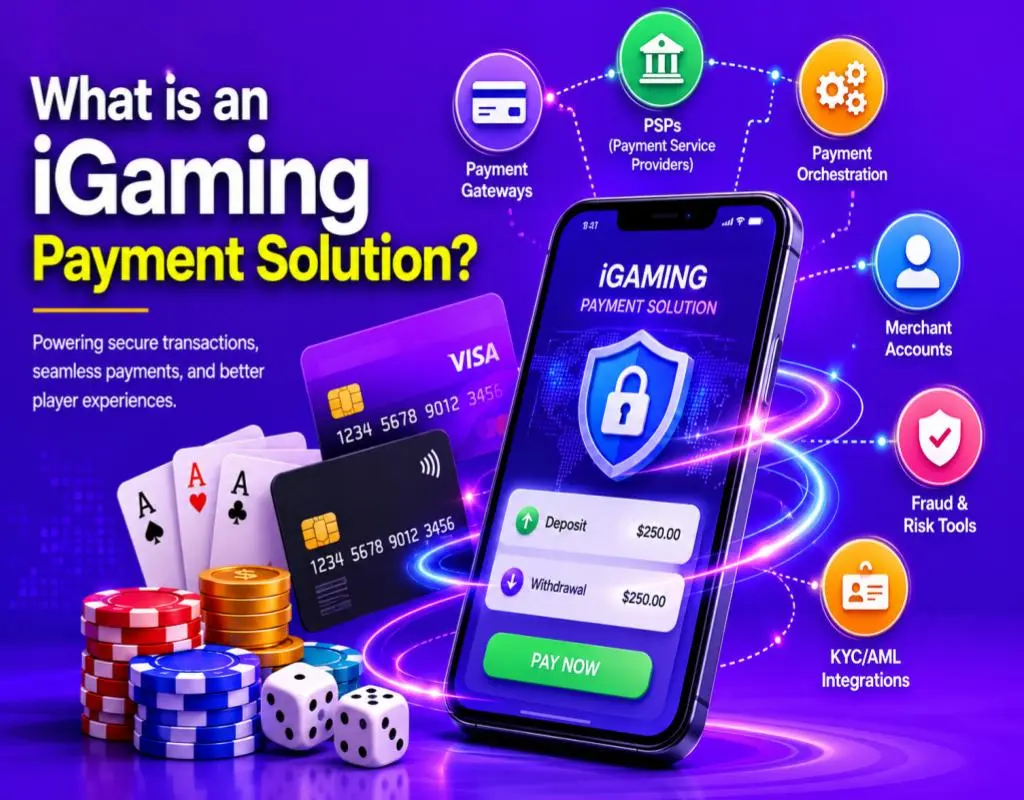
The Rise of Crypto Payments in iGaming
The rapid rise and popularity of cryptocurrency-based prediction market Polymarket – which took in billions of dollars in volume in 2024 – proves there’s large public enthusiasm for wagering with crypto. If you understand how crypto payments work in practice, you’ll understand how to spin crypto to your advantage, NOWPayments’ chief executive officer Kate Lifshits argues. One brand publicly names four licensed states and holds none of the three checkable ones, and three more are absent as their models predict. Stablecoin issuance threshold for mandatory audited annual financial statements (GENIUS Act) GENIUS Act signed into US law, the first federal stablecoin licensing framework
The automated dealer is represented by smart contracts.
By charging a flat service or transaction fee for facilitating peer-to-peer swaps, the platform captures value from the high volume of daily trading activity. Primary sales provide immediate liquidity and can range from character skins to VIP access passes. This is the initial revenue event where the operator creates (“mints”) and sells exclusive digital assets directly to players. These assets are no longer just “pictures” but programmable financial instruments that allow operators to monetize the entire lifecycle of a player’s engagement.
Payment processing costs dropped by 70% after switching to crypto-focused operations. FortuneJack’s success stems from addressing early technical challenges. Transaction records indicate that 80% of Stake.com’s betting volume comes from cryptocurrency deposits, with Bitcoin leading at 55%, followed by Ethereum at 25%. The combination of quick payouts and crypto-specific promotions has proven particularly effective in attracting high-volume bettors.
Payment reconciliation becomes more challenging due to multiple providers.
Each gateway has a full review with its score breakdown, market verdicts, pricing, clients and the alternatives worth picking over it. The retry and signature handling a cashier needs is in the webhook reliability guide. The status of each entity and what it changes at the cashier are in the MiCA CASP breakdown by processor, and the data a crypto transfer has to carry is in the Travel Rule guide. CoinsPaid boards only from $100k a month in crypto deposits, the one volume floor in the ranking. We are trusted by major international brands.
Binance failed to secure one and stopped serving EU users July 1. Alberta opened its private market, while New Zealand and Finland are licensing theirs. Q volume doubled year-over-year to 2.7M payments worth $271B. Beats brand trust (33%), promotions (24%), and competitive odds (24%). The withdrawal side, method by method, is covered in the iGaming payout solutions guide.